Stretch Mark Treatment After Weight Loss: What Works?
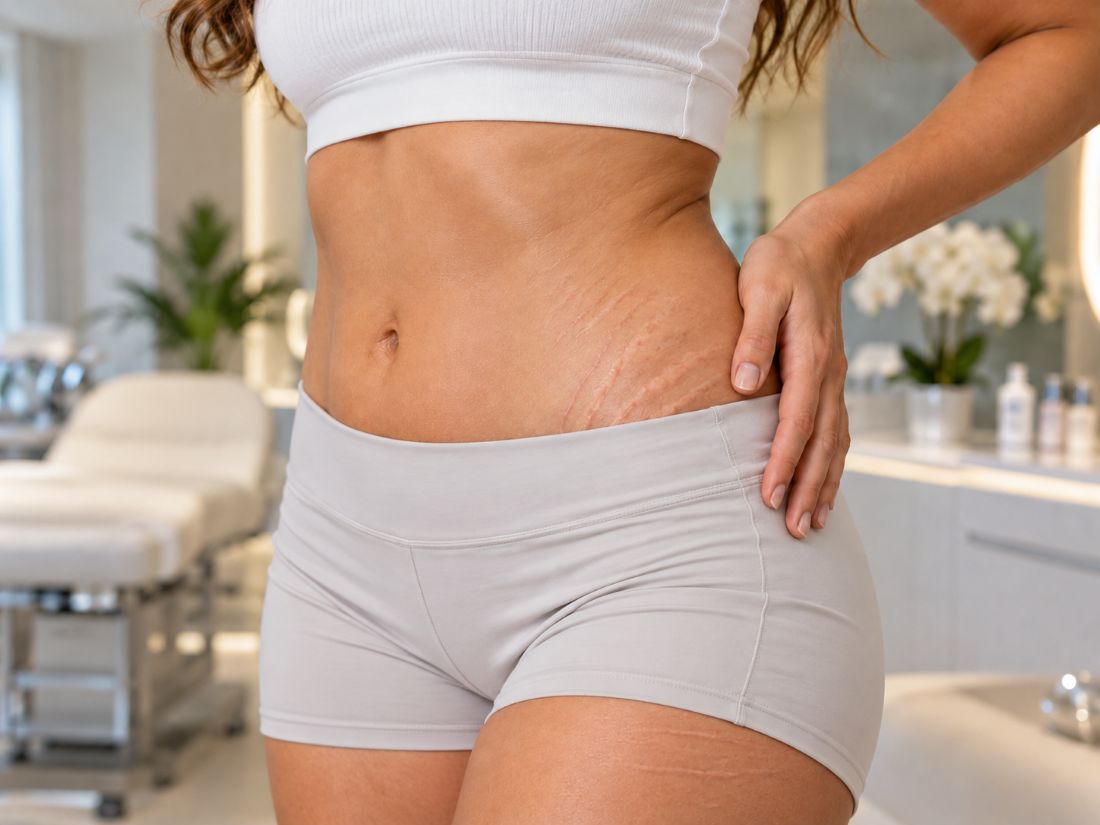
After losing weight, you may notice stretch marks that were less visible before. Changes in skin tension, body shape and skin elasticity can make these lines more noticeable. Stretch mark treatment after weight loss depends on the age of the marks, their colour, skin type and the degree of textural change.
In my practice, I believe it is important to understand what stretch marks actually are before choosing a treatment. They are common changes in the skin, not a sign that weight loss has gone wrong. While treatments may improve their appearance, no single procedure removes every stretch mark completely.
Why Do Stretch Marks Become More Noticeable After Weight Loss?
Stretch marks, medically known as striae, develop when the skin stretches or changes over time. This can affect the structures that support the skin, including collagen and elastin fibres.
Weight gain, pregnancy, puberty and muscle growth can contribute to their development. Hormonal changes and genetic factors may also influence how likely someone is to develop them.
After weight loss, the body’s contours change. Existing stretch marks may become easier to see as the surrounding skin changes shape. Loose skin can also make their texture more apparent.
It is worth distinguishing stretch marks from loose skin. Stretch marks are lines within the skin, whereas loose skin refers to excess or less-elastic skin tissue. A treatment that improves stretch-mark texture will not necessarily tighten substantial loose skin.
Red vs White Stretch Marks: Why Does Their Colour Matter?
One of the first things I assess is the appearance and age of the stretch marks. Their colour can offer useful clues about their stage of development.
- Red, pink or purple marks: These are generally newer stretch marks. Their colour reflects changes in the skin and underlying blood vessels.
- White or silvery marks: These are usually older stretch marks. Over time, they tend to become lighter and may develop a slightly indented or wrinkled texture.
Understanding red vs white stretch marks helps set realistic expectations. Newer marks may respond differently to treatment than older ones. However, colour alone does not determine which procedure is suitable.
Skin tone, the depth and location of the marks, medical history and previous treatments also influence the assessment. Darker skin tones may require particular care when selecting procedures that cause controlled skin injury, because post-inflammatory pigmentation can occur.
Which Treatments May Help Stretch Marks After Weight Loss?
There is no universal treatment for stretch marks. The appropriate option depends on the individual’s skin and the changes being addressed.
1. Topical Products for Skin Hydration
Moisturisers can improve skin hydration and comfort, particularly when the skin feels dry. Certain topical ingredients may offer modest benefits for the appearance of newer marks, although evidence varies.
Creams and oils generally cannot restore all the structural changes associated with established stretch marks. Products containing active ingredients may also cause irritation, depending on the formulation and individual skin sensitivity.
Anyone who is pregnant, breastfeeding or planning pregnancy should seek medical advice before using prescription topical treatments.
2. Laser Treatment for Stretch Marks
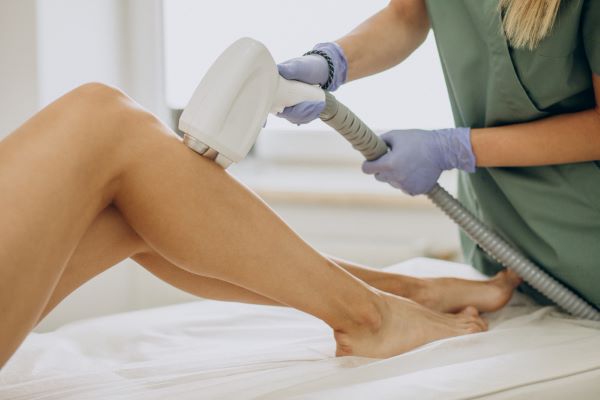
Laser treatment for stretch marks may be considered to improve selected features, such as colour differences or skin texture. Different laser technologies target different aspects of the skin, so treatment selection requires a proper assessment.
Depending on the device and the type of marks, treatment may aim to reduce redness or stimulate changes in collagen remodelling. Some procedures work mainly on colour, while others target textural changes.
Several sessions may be needed, and improvement is gradual. Temporary redness, swelling or discomfort can occur. Changes in pigmentation are also possible, especially if the procedure is not suited to the person’s skin type.
Laser treatment does not guarantee complete removal. Individual results vary, and the expected degree of improvement should be discussed before treatment begins.
3. Microneedling and Other Skin Procedures
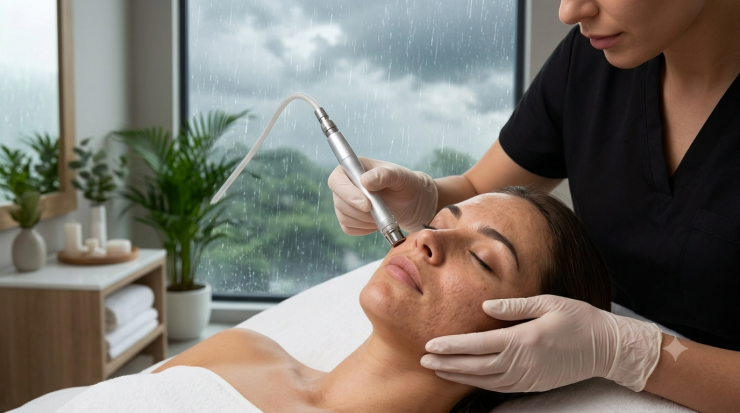
Microneedling creates controlled, tiny injuries in the skin to stimulate its repair response. It may help improve the texture of selected stretch marks over time.
Other procedures, including certain energy-based treatments, may also be considered depending on the concern and available clinical evidence. Each option has different risks, recovery requirements and suitability criteria.
I would not recommend selecting a procedure simply because it is popular. The treatment plan should reflect the marks’ appearance, skin tone, medical history and the person’s expectations.
Can Stretch Marks Be Removed Completely?
Complete removal cannot be promised. Stretch marks involve changes in the skin’s supporting structures, so treatment generally aims to make them less noticeable rather than erase them.
Newer marks may become less prominent naturally over time. Older marks can also be treated, but their response may differ from that of newer marks.
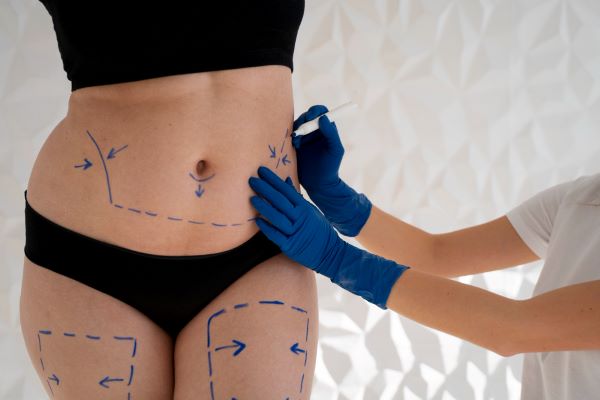
If weight loss has also left significant loose skin, stretch-mark treatment alone may not address the main concern. In selected cases, a plastic surgeon may discuss body-contouring surgery. Such procedures involve separate considerations, including scarring, recovery and surgical risks.
What Should You Consider Before Choosing a Treatment?
Before beginning stretch mark treatment after weight loss, consider the following:
- Your main concern: Is it the colour, texture, depth of the marks or loose skin around them?
- Your skin type: Treatment settings and risks can vary with skin tone and sensitivity.
- Your health history: Certain medicines, skin conditions and healing concerns may affect suitability.
- Your expectations: Improvement is usually gradual, and the extent varies between individuals.
- Your recovery needs: Some procedures involve downtime, temporary redness or specific aftercare.
People researching stretch mark removal treatment in Kolkata should look for an appropriately qualified medical practitioner who can explain the available options, their limitations and the potential risks. A personalised assessment is more useful than choosing a treatment based on photographs or claims of complete removal.
A Practical Way to Approach Stretch Marks
Stretch marks after weight loss are a common result of changes in the skin. Their colour, texture and depth help guide treatment decisions, but no single approach suits everyone.
I encourage patients to focus on the specific change they want to address. Some may benefit from treatments that target colour, while others may need options aimed at texture. If loose skin is also present, it requires a separate assessment.
For anyone considering plastic surgery in Kolkata, the key is understanding what a procedure can realistically improve before deciding whether it is appropriate. A careful evaluation helps establish a treatment plan based on individual needs, safety and achievable expectations.
Frequently Asked Questions
1. Do stretch marks disappear after weight loss?
Stretch marks may become less noticeable over time, but they usually do not disappear completely. Their appearance depends on their age, depth, skin characteristics and individual healing.
2. Which treatment works best for stretch marks after weight loss?
There is no single best treatment for everyone. Lasers, microneedling and selected topical products may help particular concerns, depending on the type of stretch marks and the person’s skin.
3. Is laser treatment suitable for white stretch marks?
Some laser procedures may improve the texture or appearance of older white stretch marks. Suitability depends on the skin, the device and the expected benefits and risks.
4. How many laser sessions are needed for stretch marks?
The number varies according to the treatment used, the extent of the marks and individual response. A treating practitioner can discuss a realistic schedule after examining the skin.
5. Can stretch marks be treated if loose skin is also present?
Yes, stretch marks may be assessed separately, but treating them will not necessarily tighten loose skin. Depending on the extent of excess skin, different treatment options may need consideration.
About the Author
Dr. V S Rathore
M.B.B.S. (Hons), MS, M. Ch
Plastic, Cosmetic & Reconstructive Surgeon
Dr. V S Rathore practises in plastic, cosmetic and reconstructive surgery. His patient education approach emphasises understanding individual concerns, assessing treatment suitability and discussing realistic expectations, potential risks and recovery requirements.
Medical Disclaimer
This article is for general educational purposes only and does not constitute medical advice. It does not replace an individual examination or diagnosis. Treatment suitability and outcomes vary from person to person. Please consult a qualified medical practitioner for a personalised assessment.