Exosome Therapy in Anti-Ageing: A New Direction for Healthier, Younger-Looking Skin
Aesthetic medicine has changed a lot over the years. Earlier, most skin treatments focused mainly on what we could see on the surface — wrinkles, dullness, pigmentation, loose skin, or uneven texture. Creams, peels, lasers, fillers, and skin-tightening devices all became popular because they helped improve visible signs of ageing.
But today, the focus is slowly shifting.
Modern anti-ageing treatments are no longer only about making the skin look better from the outside. More patients and practitioners are looking for treatments that support the skin’s natural repair process from within. This is where regenerative aesthetics has started gaining attention.
One of the most talked-about developments in this field is exosome-based therapy.
Exosomes are tiny cellular messengers that help cells communicate, repair, and respond to damage. In aesthetic medicine, they are being explored for their potential role in skin rejuvenation, post-procedure healing, collagen support, and overall skin quality improvement.
While research is still evolving, exosome treatment has already become an exciting area in regenerative medicine in aesthetics because it works with the body’s natural healing signals rather than simply covering or correcting ageing signs.
Why Ageing Skin Needs More Than Surface-Level Care
Skin ageing is not caused by one single factor. It is a gradual process influenced by age, sun exposure, pollution, lifestyle, genetics, hormonal changes, inflammation, and reduced cellular repair.
Over time, the skin starts to experience changes such as:
- Slower collagen production
- Reduced elastin strength
- Thinner and weaker skin structure
- Slower cell renewal
- Reduced hydration
- Uneven pigmentation
- Fine lines and wrinkles
- Delayed healing after skin injury or procedures
This is why many people feel that their skin does not “bounce back” the way it used to.
Traditional aesthetic treatments can still be very effective, but regenerative treatments aim to go one step deeper. Instead of only treating visible signs, they focus on improving the skin environment so that repair, renewal, and rejuvenation can happen more efficiently.
That is the reason exosomes have become such an important conversation in modern anti-ageing treatments.
What Exactly Are Exosomes?
Exosomes are extremely small extracellular vesicles released naturally by cells. They are often described as biological messengers because they carry important information from one cell to another.
These tiny particles can contain:
- Proteins
- Lipids
- Growth factors
- Messenger RNA
- MicroRNA
- Other bioactive molecules
Their job is to help cells “talk” to each other.
This communication plays a role in tissue repair, immune response, inflammation control, wound healing, and regeneration. In simple words, exosomes help send instructions that may encourage cells to function, repair, and respond better.
In regenerative aesthetics, exosomes derived from stem-cell-related sources have gained interest because they may provide some of the signaling benefits linked with stem-cell therapy, without using live cells directly.
This has opened new possibilities in dermatology, aesthetic medicine, wound care, hair restoration research, and other areas of regenerative medicine.
How Exosome Treatment May Support Skin Rejuvenation
The main idea behind exosome treatment is to deliver regenerative signals to the skin. These signals may help create a healthier environment for repair and renewal.
In skin ageing, cells often become less active. Fibroblasts, which are important for collagen and elastin production, may slow down. Inflammation may increase. Cellular communication may also become weaker.
Exosomes may help support the skin by influencing processes such as:
- Fibroblast activity
- Collagen and elastin production
- Tissue repair
- Skin recovery after procedures
- Inflammation control
- Formation of new blood vessels
- Cellular communication
This does not mean exosomes are a magic anti-ageing solution. However, they are being studied because they may help improve the skin’s natural ability to repair and regenerate.
That is what makes exosome for skin rejuvenation different from many traditional treatments. The goal is not just to smooth or tighten the skin temporarily, but to support healthier skin function over time.
The Role of Exosomes in Regenerative Aesthetics
Regenerative aesthetics is based on a simple idea: help the body restore itself in a more natural and controlled way.
Instead of only adding volume, removing layers of damaged skin, or relaxing facial muscles, regenerative treatments focus on activating the body’s own repair mechanisms.
Exosomes fit well into this approach because they act as signaling agents. They do not work like fillers, lasers, or peels. Their role is more biological. They help create a repair-friendly environment where the skin may respond better.
This is why exosome-based therapies are often used as supportive treatments along with other aesthetic procedures.
For patients, this approach is appealing because the results are generally aimed at natural-looking skin improvement rather than dramatic or artificial changes. For practitioners, it offers another tool to improve skin quality, healing, and treatment outcomes.
Exosome Facial Therapy: Why It Is Becoming Popular
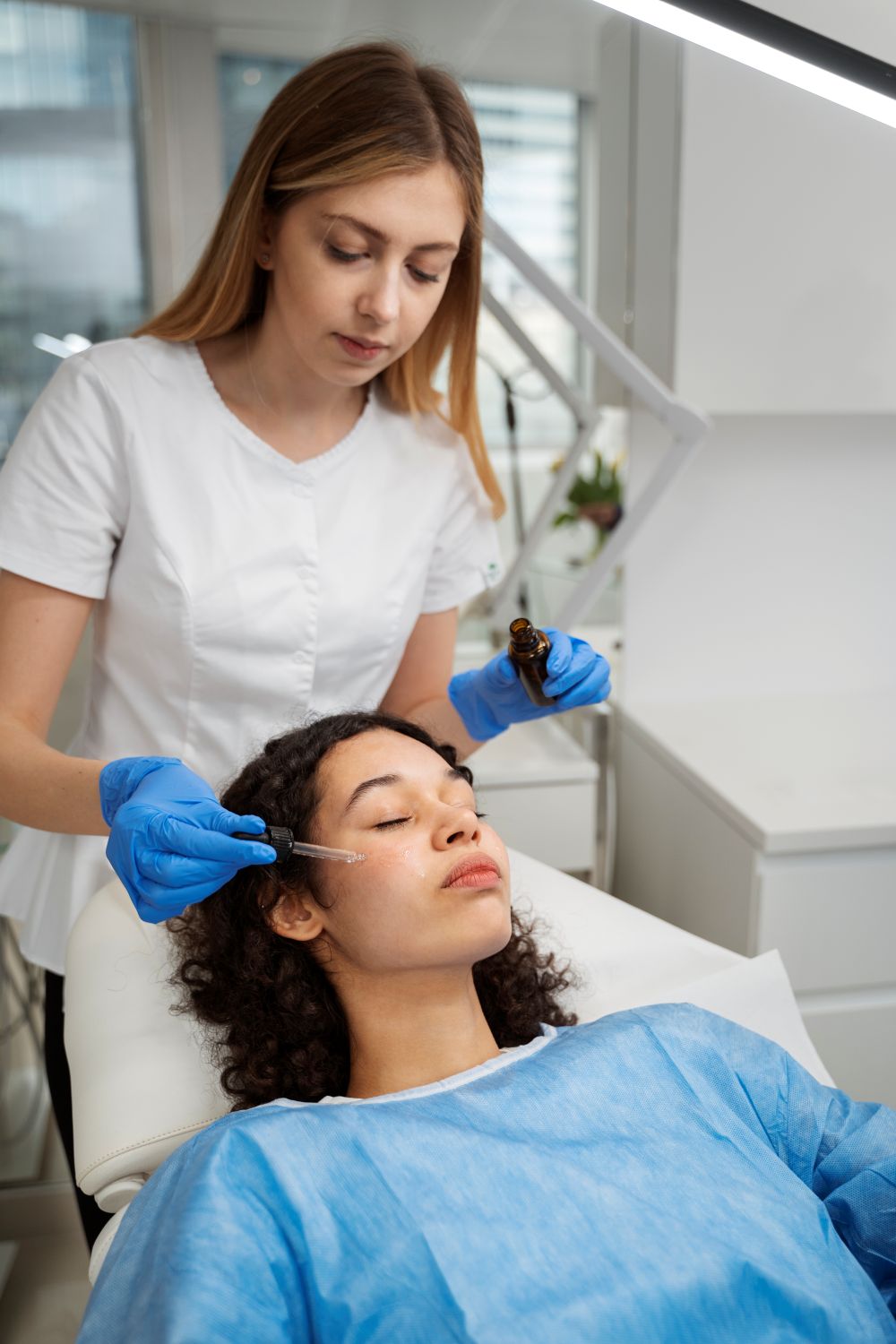
One of the most common uses of exosomes in aesthetic practice is exosome facial therapy.
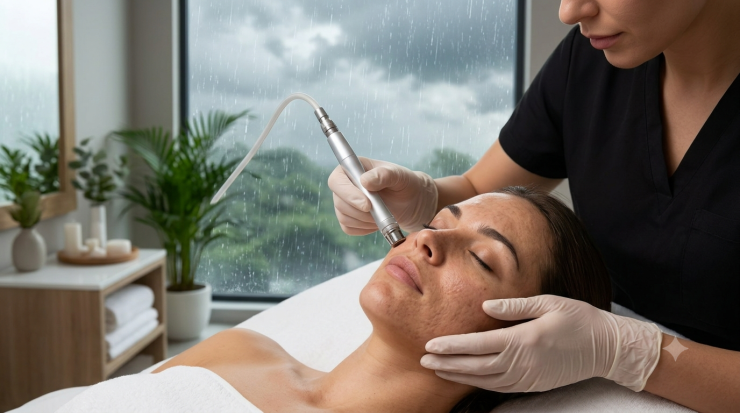
This treatment is usually combined with procedures that create controlled microchannels in the skin. These may include:
- Microneedling
- Fractional laser treatment
- Radiofrequency microneedling
These microchannels allow better penetration of exosome-based products into the skin.
Patients often like this approach because it feels like a more advanced version of skin rejuvenation. It combines a collagen-stimulating procedure with regenerative support.
Exosome facial therapy may be used to support:
- Brighter-looking skin
- Improved texture
- Better hydration
- Reduced dullness
- Softer fine lines
- Faster post-procedure recovery
- Calmer skin after treatment
For people looking for minimally invasive anti-ageing treatments, exosome facial therapy can be an attractive option when recommended by a qualified practitioner.
How Exosomes Can Work with Other Aesthetic Treatments
One of the biggest strengths of exosome treatment is that it does not always need to stand alone. In many cases, it can be used alongside existing treatments to support healing and improve skin response.
With Microneedling
Microneedling creates tiny controlled injuries in the skin to stimulate collagen production. When exosomes are applied after microneedling, they may help support the skin’s repair process and improve recovery.
With Fractional Laser Resurfacing
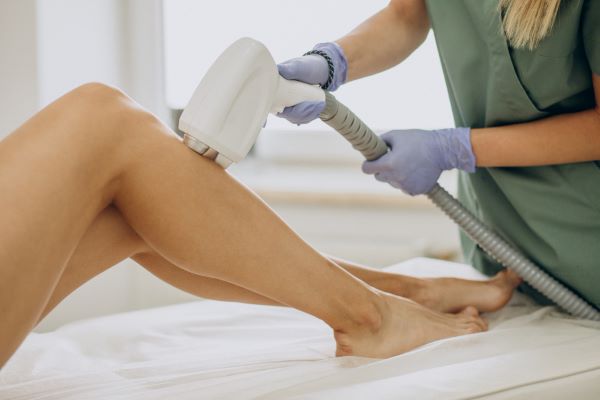
Laser treatments are commonly used for texture, scars, pigmentation, and ageing concerns. Exosomes may help calm inflammation and support tissue repair after laser-based procedures.
With Radiofrequency Microneedling
Radiofrequency treatments help improve skin firmness and collagen remodeling. Exosome-based support may help enhance the regenerative environment created by the procedure.
After Hair Restoration Treatments
Exosomes are also being explored in hair restoration because of their potential role in follicle support and cellular signaling. While more evidence is needed, this is another area where regenerative aesthetics is growing quickly.
This ability to blend with different treatments makes exosomes highly versatile in aesthetic practice.
What Skin Concerns May Exosome-Based Therapies Help Improve?
Exosome-based therapies are mainly being explored for overall skin rejuvenation and repair. Depending on the patient’s skin condition and treatment plan, they may be considered for concerns such as:
- Fine lines
- Dull skin
- Uneven texture
- Loss of glow
- Reduced elasticity
- Skin tiredness
- Early ageing signs
- Post-procedure redness or sensitivity
- Slow skin recovery
- Photoageing-related skin damage
They may also play a supportive role in improving skin resilience over time.
However, results can vary from person to person. Age, skin health, lifestyle, treatment method, product quality, and the combination of procedures used can all influence outcomes.
Safety, Quality, and Realistic Expectations Matter
As exosome-based treatments become more popular, safety and product quality become even more important.
Not all exosome products are the same. Their effectiveness and safety may depend on factors such as:
- Source of the exosomes
- Manufacturing standards
- Purification process
- Storage and handling
- Clinical testing
- Regulatory compliance
- Practitioner expertise
This is why exosome treatment should always be performed or recommended by trained medical professionals who understand regenerative medicine in aesthetics.
Patients should also receive clear information before treatment. Exosomes are promising, but they should not be presented as a guaranteed cure for ageing or skin damage.
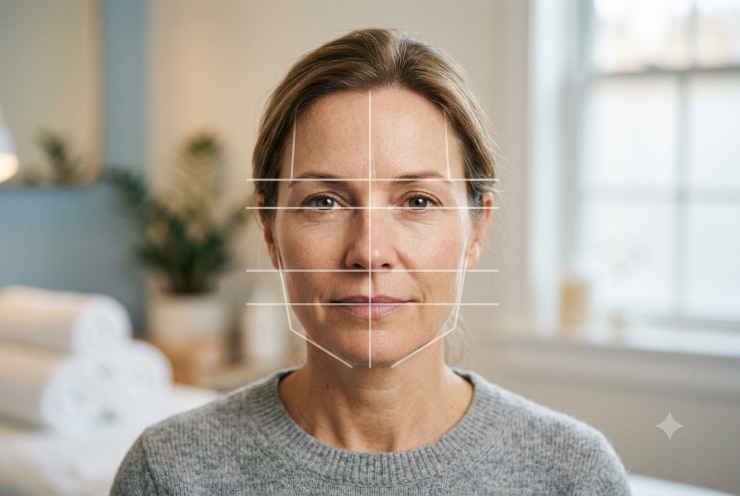
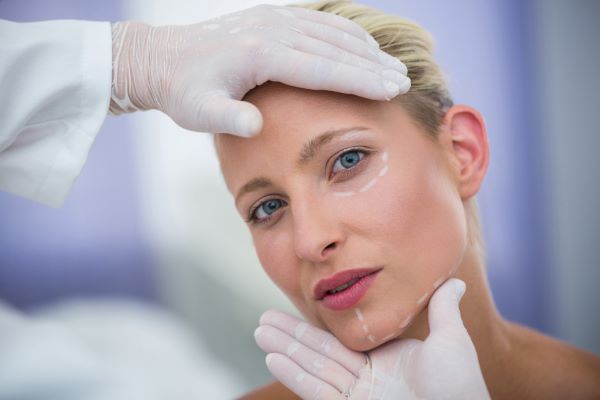
A responsible approach includes proper skin assessment, realistic expectations, a suitable treatment plan, and honest discussion about what the treatment may or may not achieve.
Are Exosomes the Future of Anti-Ageing Treatments?
The future of exosomes in aesthetic medicine looks promising, but it is still developing.
Researchers are studying how exosomes may be used in more targeted and personalized ways. In the coming years, the field may see improvements such as:
- More refined exosome formulations
- Better delivery systems
- Advanced skin regeneration protocols
- Stronger clinical evidence
- Improved post-procedure recovery plans
- More personalized anti-ageing treatments
- Wider use in scar and hair restoration support
As science becomes clearer, exosomes may become a more established part of regenerative aesthetic care.
For now, they represent an exciting step toward treatments that focus not just on appearance, but also on healthier skin function.
A Smarter Way to Think About Skin Ageing
Exosome-based therapy is changing the way aesthetic medicine looks at ageing skin. Instead of treating skin ageing only as a surface concern, it encourages a deeper approach — one that supports cellular communication, tissue repair, and natural regeneration.
Exosome treatment may help improve skin quality, enhance recovery after procedures, and support more natural-looking rejuvenation. Its role in exosome facial therapy, microneedling, laser recovery, and regenerative aesthetics makes it one of the most interesting innovations in modern anti-ageing treatments.
Still, the most important thing is balance. Exosomes are promising, but they work best when used responsibly, with the right product, the right technique, and the right patient selection.
As research continues, these tiny cellular messengers may play a much bigger role in the future of skin rejuvenation. For patients looking for advanced, natural-looking, and science-led aesthetic care, exosome-based therapies are certainly a treatment category worth watching.