Gynecomastia In Teenagers: Is It Normal Or A Cause For Concern?
Gynecomastia in teenagers is a common change during puberty. As hormone fluctuates, some experience a growth spurt, voice change, acne, and some, enlarged breast tissue.
For many, the condition is a temporary change, but it can still cause worry and emotional stress.
So the question that dwells — is it normal, or should you be concerned? In this blog, we will explore what teenage gynecomastia really means, why it happens, and how it can be managed.
What Is Gynecomastia?
Gynecomastia is the benign enlargement of male breast tissue caused by an imbalance between the hormones estrogen and testosterone.
In teenagers, the condition feels like a lump or swelling under one or both nipples. It may be tender, though pain is usually mild.
Moreover, it is important to note that gynecomastia is not the same as chest fat (pseudogynecomastia). Chest fat is caused by being overweight, while gynecomastia involves glandular breast tissue growth.
Why Does It Happen During Puberty?
Puberty is a period of major hormonal changes. Testosterone levels rise significantly in boys, but estrogen is also produced in smaller amounts. When estrogen temporarily outweighs testosterone, breast tissue can grow.
This imbalance is the main reason gynecomastia appears in teenage boys. According to NIH, up to 70% of boys experience gynecomastia during puberty, usually between ages 12 and 15.
In other words, teenage gynecomastia is often a natural side effect of growing up.
So, Is Gynecomastia In Teenagers Normal Or A Cause For Concern?
For most teenagers, gynecomastia is completely normal and resolves without treatment. The enlargement usually disappears within six months to two years as hormones stabilize.
However, certain cases may need further evaluation. If breast tissue continues to enlarge, becomes very painful, or persists beyond age 17–18, it’s worth consulting a doctor.
So, in most cases, teenage gynecomastia is normal and temporary.
Signs And Symptoms Of Gynecomastia In Teens
Teenage gynecomastia typically presents as:
- Swollen or firm breast tissue under one or both nipples.
- Tenderness or sensitivity in the chest area.
- A rubbery or firm disc-like tissue that can be felt beneath the nipple.
It’s usually symmetrical, but sometimes only one side is affected.
Gynecomastia vs. Chest Fat In Teenagers
Many parents and teens wonder if the swelling is due to fat or real gynecomastia. Here’s how you can differentiate:
- Chest Fat (Pseudogynecomastia): Feels soft, spread evenly across the chest, and usually linked with being overweight.
- True Gynecomastia: Feels firm or rubbery, usually centered beneath the nipple, and can occur in lean boys as well.
A doctor’s evaluation may be necessary if it’s unclear.
When Should You Be Concerned?
While gynecomastia in teenagers is usually harmless, these red flags should not be ignored:
- If it appears before puberty (under age 10).
- If it is rapidly growing or very large.
- Hard lumps that are not directly under the nipple
- Nipple discharge, especially bloody or clear fluid
- Swelling in only one breast with no sign of reduction
- If it persists for more than 2–3 years (late adolescence) without improvement.
These symptoms don’t always mean something serious, but they can point to underlying conditions such as hormone disorders, medication side effects, or rarely, tumors.
Treatment Options For Teenage Gynecomastia
1. Observation And Reassurance
In most teenagers, no active treatment is needed. Regular follow-up with a doctor is often enough. The condition usually improves with time.
2. Lifestyle Changes
While lifestyle changes don’t directly cure gynecomastia, they can help with overall appearance:
- Maintaining a healthy weight.
- Exercising regularly to build chest muscles.
- Avoiding junk food and sugary drinks.
3. Medical Treatment
In rare cases where gynecomastia is severe or persistent, doctors may consider medication to balance hormones. These are usually reserved for select cases under medical supervision.
4. Surgery
Surgery is generally not recommended for teenagers unless:
- The gynecomastia has lasted more than 2–3 years.
- It is severe and not improving with time.
- It is causing significant psychological distress.
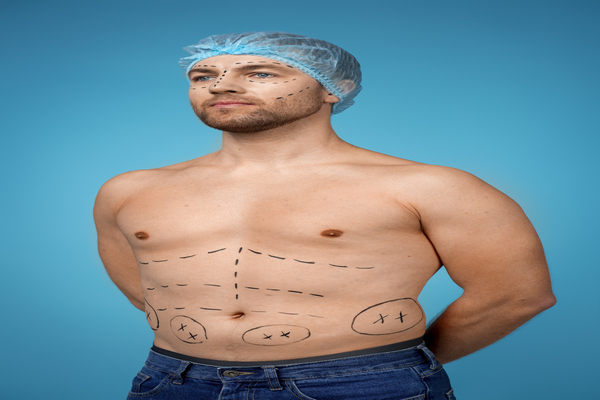
Surgical options include liposuction (removes fat) and gland excision (removes glandular tissue). The surgery is safe and effective, but usually recommended by expert cosmetic surgeons in Kolkata until hormones stabilize.
Gynecomastia In Overweight Teenagers
Obesity in teenagers can complicate the picture. Excess fat leads to higher estrogen production, which may worsen gynecomastia. In overweight teens, weight loss and healthy lifestyle habits can help reduce chest fullness and improve overall health.
Special Case: Gynecomastia In Teen Athletes And Bodybuilders
Some teenage athletes or bodybuilders experiment with steroids or hormone supplements. These can disrupt hormonal balance and lead to gynecomastia. This form is less likely to resolve naturally and may require medical or surgical intervention.
Parents and teens should be aware that steroids carry serious long-term risks, including permanent gynecomastia.
Can Teenage Gynecomastia Be Prevented?
Not always. Since most cases are due to normal puberty-related hormone changes, prevention is not possible. However, certain steps can reduce the risk of worsening the condition:
- Avoid steroid use and unregulated supplements.
- Maintain a healthy weight.
- Follow a healthy diet and routine.
Reassurance for Parents And Teens
If your teenager has gynecomastia, remember:
- It is common and usually temporary.
- It is not a disease or cancer.
- It often resolves without treatment.
- Support and patience go a long way in helping your child cope.
The Outlook For Teenagers With Gynecomastia
Gynecomastia in teenagers is mostly a normal part of puberty, rarely permanent and nothing to panic about. While it can cause emotional stress, especially during a sensitive age, the condition is usually temporary and resolves naturally within months to a few years.
Still, if symptoms are persistent, painful, or emotionally distressing, medical evaluation is advised. Treatments—from reassurance and lifestyle changes to surgery in rare cases—are available and effective.
The process to deal with this condition is to understand that gynecomastia in teenagers is more common than most people think.
With proper awareness, support, and guidance, teenagers can get through this phase with confidence and health intact.
Here are a few frequently asked questions (FAQs) answered on Gynecomastia in Teenagers, for reassurance–
Yes. Gynecomastia in teenagers is a normal part of puberty and affects up to 70% of adolescent boys. It happens due to temporary hormonal imbalances, particularly when estrogen slightly outweighs testosterone. The condition usually appears between ages 12 and 16. While it can be stressful, it is rarely a sign of disease.
In most cases, yes. About 75–90% of teenage gynecomastia cases resolve naturally within 6 months to 2 years without medical treatment. As hormone levels stabilize, the breast tissue shrinks. Only persistent cases lasting beyond two years, or those causing pain or psychological distress, may require medical evaluation or treatment.
Teenage gynecomastia typically appears between ages 12 and 16, when hormone fluctuations are at their peak. The condition often improves as puberty progresses, with most cases resolving by age 17 or 18. If the breast tissue remains after two years or continues into adulthood, medical evaluation is recommended.
Yes, but usually for different reasons. While pubertal gynecomastia that resolves completely rarely comes back, adult men may develop gynecomastia later due to factors such as obesity, hormonal disorders, certain medications, or medical conditions affecting the liver, kidneys, or thyroid. Adult recurrence is not typically linked to teenage gynecomastia.
In most cases, no. Pubertal gynecomastia is a temporary condition caused by hormonal shifts during adolescence. It does not interfere with long-term hormone balance, testosterone levels, or fertility. However, if the breast enlargement is due to an underlying hormonal disorder, medical evaluation may be needed to ensure proper diagnosis and treatment.
Read More: