Exosome-Based Therapies: The New Frontier in Anti-Ageing Treatments
The pursuit of youthful, healthy skin has driven innovation in aesthetic medicine for decades. From topical formulations and chemical peels to lasers, fillers, and energy-based devices, the field has continuously evolved toward treatments that not only improve appearance but also address the underlying biological processes of ageing. Today, a new chapter is unfolding in regenerative aesthetics with the emergence of exosome-based therapies.
Exosomes are rapidly gaining attention as one of the most promising developments in regenerative medicine in aesthetics. By harnessing the body’s natural mechanisms of cellular communication and repair, exosome treatment offers a sophisticated approach to skin rejuvenation and anti-ageing treatments. As research expands and clinical experience grows, exosomes may redefine how aesthetic practitioners approach age-related skin concerns.
Understanding Exosomes
Exosomes are microscopic extracellular vesicles naturally released by cells. Measuring approximately 30–150 nanometres in diameter, these tiny biological messengers carry proteins, lipids, growth factors, messenger RNA (mRNA), and microRNA between cells.
Their primary role is intercellular communication. Through the transfer of bioactive molecules, exosomes help regulate tissue repair, inflammation, immune responses, and cellular regeneration. In recent years, scientists have recognized that exosomes derived from stem cells may deliver many of the regenerative benefits associated with stem-cell therapy while avoiding some of the complexities linked to live-cell treatments.
This discovery has sparked tremendous interest in exosome therapies across multiple medical specialties, including dermatology, wound healing, orthopaedics, and aesthetic medicine.
The Science Behind Exosome Treatment
Ageing skin undergoes several biological changes, including reduced collagen production, elastin degradation, slower cellular turnover, diminished vascularity, and chronic low-grade inflammation. These changes contribute to wrinkles, laxity, uneven texture, pigmentation irregularities, and loss of skin vitality.
Exosome treatment aims to influence these ageing pathways by delivering regenerative signals directly to skin cells. Laboratory studies suggest that exosomes can:
- Stimulate fibroblast activity
- Enhance collagen and elastin synthesis
- Promote tissue repair and regeneration
- Reduce inflammatory responses
- Support angiogenesis (formation of new blood vessels)
- Improve cellular communication
Unlike traditional treatments that primarily address the visible manifestations of ageing, exosome-based therapies focus on optimizing the skin’s regenerative capacity at a cellular level.
Exosomes and Regenerative Aesthetics
The rise of regenerative aesthetics reflects a broader shift within aesthetic medicine. Patients increasingly seek treatments that produce natural-looking improvements while supporting long-term skin health.
Regenerative approaches aim to activate the body’s intrinsic healing mechanisms rather than simply replacing lost volume or resurfacing damaged skin. Exosomes fit perfectly within this philosophy.
By serving as biological signaling agents, exosomes help create an environment conducive to tissue repair and rejuvenation. This makes them a valuable adjunct to existing aesthetic procedures and positions them as a cornerstone technology in regenerative medicine in aesthetics.
The growing interest in exosome therapies represents a transition from corrective interventions to restorative and regenerative strategies.
Exosome for Skin Rejuvenation
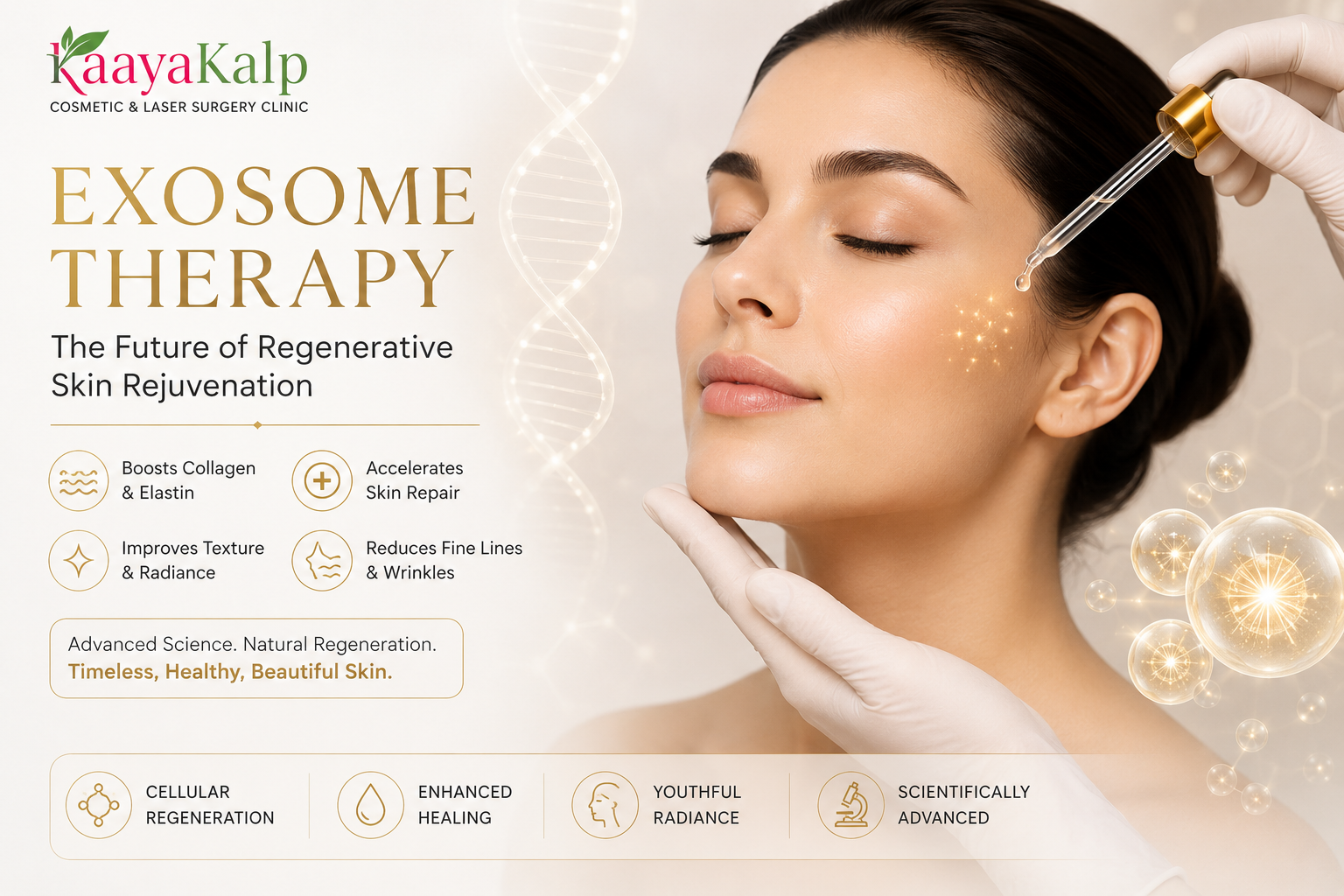
Among the most exciting applications is the use of exosome for skin rejuvenation. Clinical observations suggest improvements in several key indicators of skin quality, including:
- Enhanced skin texture
- Improved hydration
- Increased radiance
- Reduction in fine lines
- Better skin elasticity
- Faster recovery following procedures
Exosomes may also help address photoageing by supporting the repair of ultraviolet-induced cellular damage. By promoting collagen remodeling and reducing inflammatory mediators, they contribute to healthier and more resilient skin.
While further large-scale clinical trials are required, early evidence and practitioner experiences indicate significant potential for exosome-based skin rejuvenation protocols.
Exosome Facial Therapy: A New Generation Treatment
One of the most popular applications in aesthetic practice is exosome facial therapy. In this approach, exosomes are typically delivered following procedures that create controlled microchannels in the skin, such as microneedling, fractional laser treatments, or radiofrequency microneedling.
These channels facilitate enhanced penetration and absorption of exosomes into the treated tissues.
Patients often appreciate exosome facial therapy because it combines the benefits of regenerative science with minimal downtime. In many cases, exosomes are used to accelerate healing, reduce post-procedure inflammation, and improve overall treatment outcomes.
As demand for minimally invasive anti-ageing treatments continues to grow, exosome facial therapy offers an appealing option for patients seeking visible yet natural improvements.
Synergy with Existing Aesthetic Procedures
One of the greatest strengths of exosome treatment is its versatility. Rather than replacing established modalities, exosomes can complement and enhance existing treatments.
Potential applications include:
After Microneedling
Exosomes may enhance collagen induction and accelerate recovery.
Following Fractional Laser Resurfacing
Exosomes may help reduce inflammation and support tissue repair.
Combined with Radiofrequency Treatments
Regenerative signaling may augment skin-tightening outcomes.
Post-Hair Restoration Procedures
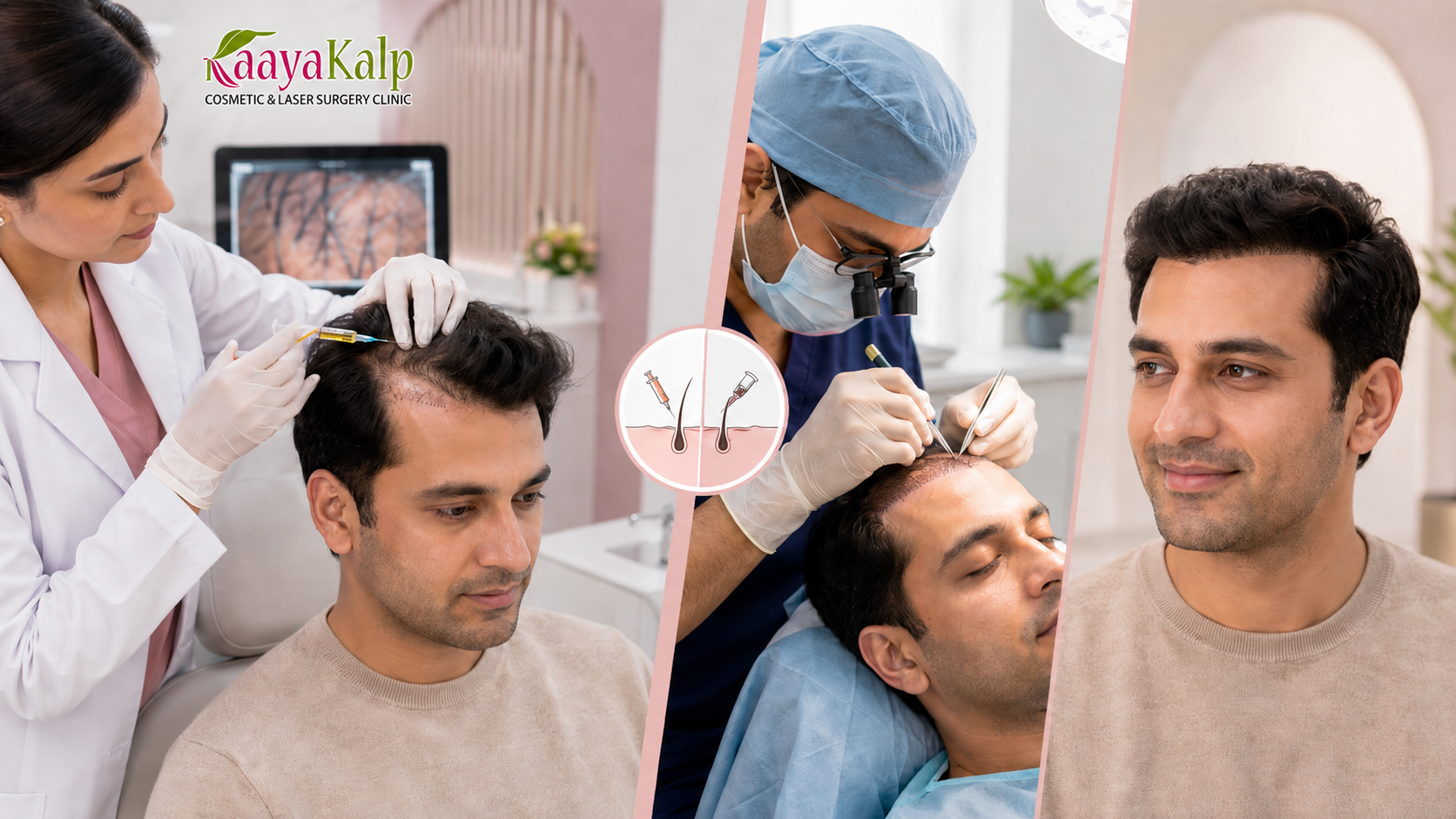
Emerging evidence suggests exosomes may support follicular health and hair regeneration.
Such synergistic applications highlight why exosomes are becoming increasingly relevant across the broader spectrum of aesthetic medicine.
Safety and Regulatory Considerations
As enthusiasm for exosome-based therapies grows, maintaining scientific rigor and patient safety remains essential.
The quality of exosome products can vary significantly depending on their source, manufacturing processes, purification methods, and quality-control standards. Practitioners must carefully evaluate product safety, regulatory compliance, and available clinical evidence before incorporating exosome treatments into practice.
It is equally important to provide patients with realistic expectations. While early results are encouraging, exosome therapies should be presented as part of an evidence-based treatment strategy rather than a miracle solution.
Continued research, standardized protocols, and regulatory oversight will be crucial for ensuring the responsible integration of exosomes into mainstream aesthetic practice.
The Future of Exosomes in Aesthetic Medicine
The future of exosomes appears remarkably promising. Ongoing research is exploring increasingly targeted applications, improved delivery systems, and personalized regenerative therapies.
Potential future developments include:
- Customized exosome formulations
- Enhanced skin regeneration protocols
- Advanced anti-ageing treatments
- Improved scar management
- Hair restoration applications
- Combination regenerative therapies
As scientific understanding deepens, exosomes may become a fundamental component of next-generation regenerative aesthetics.
Conclusion
The emergence of exosome-based therapies marks an exciting milestone in the evolution of aesthetic medicine. By leveraging the body’s natural communication and repair mechanisms, exosome treatment offers a novel pathway toward skin rejuvenation and anti-ageing treatments.
Although further clinical evidence is needed to fully define their long-term role, exosomes have already established themselves as one of the most compelling innovations in regenerative medicine in aesthetics. Their ability to support tissue repair, enhance procedural outcomes, and promote natural regeneration aligns perfectly with the growing demand for biologically driven aesthetic solutions.
As the field advances, exosome facial therapy and other exosome-based applications are poised to become integral tools in the modern aesthetic practitioner’s armamentarium. The future of regenerative aesthetics may well be shaped by these tiny messengers carrying enormous therapeutic potential.