Is a Tummy Tuck After C-Section Safe for New Moms Like You?
You’ve just had a baby through C‑section—and maybe you’re asking yourself: Tummy Tuck After C‑Section—is that even safe for someone like me? You’re not alone. Likewise, you may feel aches, soft bulges, loose skin, or tension around your scar.
Not only that, but you work hard to feed your baby, carry little ones, and recover your strength. Considering major surgery right now feels overwhelming—and that’s completely valid.
This isn’t a simple cosmetic tweak. Your body has just carried and delivered life. It needs time. Let’s walk through everything carefully—so you feel informed, safe, and empowered.
When Is the Right Time?
How soon can I think about a tummy tuck after a C‑section?
Medical experts overwhelmingly agree: wait 6 to 12 months post‑delivery before considering a tummy tuck. During this period, your uterus shrinks, scar tissue matures, hormones stabilize, and weight fluctuations settle down.
If you try a tummy tuck too early—even combining it with the C‑section (a so‑called “C‑tuck”)—you risk poor healing, complications, and disappointing results. Your body’s healing and emotional adjustment matter. Bonding with baby, establishing routines, and building strength take time. Waiting also lets you approach the procedure when you’re clearer, stronger, and ready to rest and plan.
Why It’s Not “Easy” Surgery
Isn’t it just cutting a little skin?
Not at all. A tummy tuck (abdominoplasty) removes extra skin, repairs stretched or separated abdominal muscles (like diastasis recti), and shapes your midsection. It requires general anesthesia, skillful muscle repair, and careful tissue handling.
Recovery involves:
- Wearing compression garments for weeks
- Managing drains or dressings
- Avoiding lifting (even your baby) for many weeks
- Following a structured rest and movement plan
When combined with a recent C‑section, risks like infection, blood clots, fluid buildup, and slower wound healing rise significantly—some research shows complication risk increases by over 50% when done early or combined.
What Makes a Good Candidate?
Am I the right fit?
Ask yourself:
- Have I fully healed from my C‑section—say six months or more later?
- Is my weight stable for at least three months?
- Am I ready to stop breastfeeding, or have I stopped?
- Am I not planning more pregnancies?
If yes, you may be a good candidate. Being healthy, stable, and ready to follow medical guidance matters most.
What Benefits Can You Expect?
- It flattens and tightens your lower abdomen—removing sagging skin or the so‑called “C‑section shelf.”
- It repairs separated or weakened abdominal muscles, helping core strength, posture, and shape.
- It often hides or revises your C‑section scar into a smoother, softer line you can place under swimwear.
- It can reduce stretch marks and restore confidence in your body.
How Should You Prepare?
What should you do before scheduling surgery?
- Consult board‑certified plastic surgeon: Prefer someone with experience in post‑C‑section abdominoplasty. Ask to see before/after photos.
- Get evaluated medically: Blood tests, overall health check, discuss any anemia, healing issues, or breastfeeding concerns.
- Reach stable weight: Surgery works best when you’re near your long-term weight, not actively trying to shed postpartum pounds.
- Stop breastfeeding (if applicable): Anesthesia and medications could affect your baby. Most surgeons advise you to finish breastfeeding first.
What Happens During the Procedure?
What should I expect on surgery day?
- You’ll receive general anesthesia in a certified hospital or surgical center.
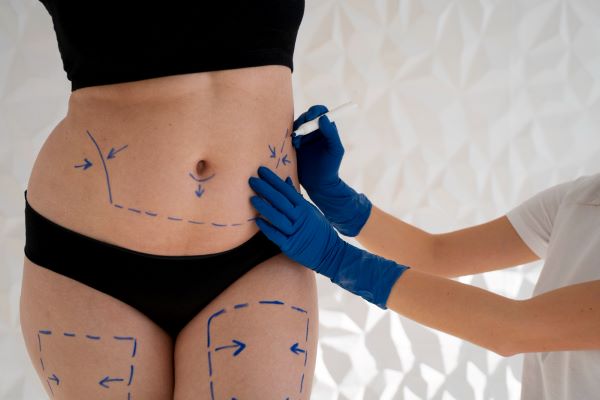
- A horizontal incision is made—often using or lowering your C‑section scar line.
- Underneath, your surgeon separates tissues, tightens muscles, trims excess skin, and repositions your navel.
- In some cases, liposuction is added for contouring.
- Drains may be placed for healing, and compression garments help minimize swelling and support your midsection.
What Is the Recovery Like?
How tough is healing? What’s the timeline?
- First few days: Soreness, swelling, limited mobility. You need help—especially with baby care.
- Week 1–2: Light walking encouraged. Drains removed (if any). Most moms still need assistance at home.
- Weeks 3–4: Gradually stand straighter, return to very light activity, but still no heavy lifting.
- 4–6 weeks: You may resume mild exercise; long drives, heavy chores are still discouraged.
- 3 months onward: Your result settles. Scars soften. Gentle activities increase.
- Before the results appear long-lasting and natural, full healing could take three to six months.
What Are the Risks, and How Can You Mitigate Them?
What could go wrong—and how can I reduce risk?
Risks include:
- Infection
- Bleeding or fluid collections (seroma)
- Poor wound healing or visible scars
- Blood clots
- Unexpected pain or numbness
- Dissatisfaction with aesthetic outcome
You reduce risk by:
- Choosing experienced, board‑certified surgeons
- Waiting for the recommended timeframe
- Following all pre‑op and post‑op instructions
- Having emotional and physical support at home during recovery
- Avoiding smoking, staying hydrated, eating well, and staying mobile as instructed
Final Thoughts – How Kaayakalp Assist You
At Kaayakalp, we respect your journey. We consult, assess, and guide you step by step—with expertise, empathy, and honesty. We understand a Tummy Tuck After C‑Section is not just procedural—it’s deeply personal. We focus on:
- Your safety
- Your emotional readiness
- Your long-term satisfaction
- Clear communication: what’s realistic, what to expect, how to prepare
You deserve to feel comfortable and confident in your body again. When you’re ready, we’re here to support you—not rush you.
At Kaayakalp, we stand with you—not for quick fixes, but meaningful transformation. You’ve earned this.